






Lillie Bridge to Olympia bulky rubbish collection case study
Posted on 02/06/2026
If you have ever stood in a flat, office, or shared property near Lillie Bridge and thought, "Right, how do we get this lot out without turning the hallway into a disaster zone?", you are in the right place. This Lillie Bridge to Olympia bulky rubbish collection case study looks at what bulky waste removal really involves in a busy West London setting, why the route and local layout matter, and how to plan a collection that feels straightforward rather than stressful.
Bulky rubbish is rarely just "rubbish". It is usually a mix of awkward furniture, broken household items, renovation leftovers, or office clear-out clutter that does not fit into standard bins. Around Olympia, where access can be tight and timing matters, a well-planned collection saves time, reduces disruption, and makes compliance easier. Let's break it down properly.

Why Lillie Bridge to Olympia bulky rubbish collection case study Matters
This topic matters because bulky rubbish removal in this part of London is not a simple lift-and-go job. The surroundings around Lillie Bridge and Olympia can involve shared entrances, loading constraints, time-sensitive access, and neighbouring businesses or residents who do not appreciate a noisy, messy blockage at the front door. A case study approach helps you see the process as a sequence of decisions, not just a collection booking.
In real life, that means thinking about the item types, the route to the vehicle, whether parking is available nearby, and whether the collection needs to be coordinated with building management. A sofa on the fifth floor is a different problem from a stack of office desks in a ground-floor unit. Obvious? Sure. But many people still underestimate the practical difference until they are halfway down the stairs with a wobbly wardrobe. Not fun.
For homeowners, landlords, managing agents, and local businesses, the value is simple: a smoother clearance, fewer delays, and less risk of accidental damage. If you are handling mixed waste, you may also want to explore general rubbish removal in West Kensington or the broader services overview to see how bulky items fit into a wider waste plan.
There is also a sustainability angle. Bulky waste is not automatically destined for landfill, and that distinction matters. Items in decent condition may be separated for reuse or recycling where possible. That is not just kinder to the environment; it is usually the more sensible operational choice as well.
How Lillie Bridge to Olympia bulky rubbish collection case study Works
A bulky rubbish collection usually follows a fairly predictable workflow, though the details depend on access, item type, and building rules. Around Olympia, the practical question is often not "Can it be collected?" but "How do we do it cleanly and efficiently?"
The process often starts with a description of the load. That may include photographs, rough dimensions, item count, or a brief note about any especially heavy pieces. This is where a clear conversation saves headaches. A one-line message like "two wardrobes and a broken bed frame" sounds simple, but if the wardrobes are solid oak and the bed is in pieces in the loft, that changes the plan a bit.
Once the load is assessed, the collection team can decide what equipment, labour, and vehicle space may be needed. In some cases, a quick access check is enough. In others, you may need a short window for lifting through a narrow stairwell, or a parked vehicle close enough for efficient loading. If the property is part of a larger clearance, a more structured schedule may be needed, especially for commercial or shared premises. For that type of work, the page on waste clearance in West Kensington is a useful companion read.
What makes the Lillie Bridge to Olympia route a useful case study is its mix of residential and commercial pressure points. You can be moving from a compact maisonette one moment and an exhibition-adjacent office the next. Timing matters. So does discretion. And yes, so does not knocking over a lamp on the way out.
Key Benefits and Practical Advantages
Done properly, bulky rubbish collection solves more than a storage problem. It restores usable space, reduces stress, and helps properties feel organised again. That sounds a bit neat, but it is true.
- Faster space recovery: You get rooms, corridors, or storage areas back without dragging the issue out for weeks.
- Less disruption: A planned removal is usually easier on neighbours, tenants, and staff than ad hoc lifting and dumping.
- Better safety: Heavy or sharp items can create trip hazards and injury risks if left in passageways.
- Cleaner handover: Landlords and agents often need a property ready for viewings, refurbishment, or new occupants.
- Improved sorting: Reusable and recyclable items can be separated more sensibly than in a rushed last-minute clear-out.
There is also a commercial advantage. If a shop, office, or venue near Olympia needs a fast turnaround, a bulky rubbish collection can protect opening hours and keep the front-of-house looking presentable. For examples of business-focused removal planning, see commercial rubbish removal for shops and offices.
Another benefit that gets overlooked: confidence. Once you know what will happen, and when, the whole project feels less chaotic. You stop wondering where the old sofa is going to end up and start getting your space back. Simple, but powerful.
Who This Is For and When It Makes Sense
This kind of collection makes sense for a surprisingly wide range of people. Some are dealing with one-off household clutter. Others are planning a move, managing a refurbishment, or closing down a workspace. The common thread is bulky items that are awkward, heavy, or too numerous for ordinary disposal.
You may need this service if you are:
- Clearing out a flat or house near Lillie Bridge
- Preparing a property for sale or letting
- Replacing furniture in a rental or serviced unit
- Handling leftover items after an event or venue change
- Removing old office desks, chairs, or storage cabinets
- Dealing with renovation waste that includes bulky non-builder materials
It also makes sense when your own time is limited. If you have ever tried dismantling a wardrobe at 8:30 in the evening after work, you already know the answer. Sometimes the sensible option is the one that costs less in stress, not just money.
For home-related planning, the guides on Lillie Road homes and rubbish removal and house clearance in West Kensington are especially relevant. If the project is tied to a move or sale, the local guidance in Kensington property purchase and sale tips can also help you think through timing.
Step-by-Step Guidance
Here is a practical way to approach a bulky rubbish collection without making it harder than it needs to be.
- List everything that needs removing. Be specific. "Furniture" is vague; "two mattresses, one sofa, one sideboard, and four broken chairs" is useful.
- Check access from the item location to the exit. Stairs, narrow halls, lifts, and parking restrictions all affect the job.
- Separate what can be kept, reused, or recycled. You do not want to accidentally send useful items away if they can still be donated or repurposed.
- Identify anything awkward or hazardous. For example, glass panels, old monitors, or sharp broken parts need a bit more care.
- Choose the right service type. If your job includes mixed household items, builders leftovers, or office equipment, the best fit may differ. Have a look at builders waste disposal or office clearance in West Kensington if those match your situation.
- Book a suitable time window. Morning collections can be easier for access, while off-peak times may help in busier streets.
- Prepare the property. Clear a path, protect floors if needed, and move small loose objects out of the way.
- Confirm the plan before collection day. A quick final check is worth it. Really worth it.
If you are handling an especially mixed load, it can help to read the affordable rubbish collection guide near West Kensington Station to understand how local collections are typically arranged in tight urban settings.
Expert Tips for Better Results
After enough collections, a few patterns become obvious. The jobs that go smoothly are rarely the most glamorous; they are the ones where the preparation is solid.
- Photograph the load before collection: It helps everyone stay aligned about volume and awkward pieces.
- Label anything you are definitely keeping: In a cluttered room, it is easy for items to get mixed up. Happens all the time.
- Break down what you safely can: A dismantled bed frame is usually easier to move than a full one.
- Protect communal areas: In blocks with shared hallways, a bit of floor protection and care around corners goes a long way.
- Think about sequence: Heavy items first, then lighter loose pieces. That tends to keep the route tidier.
- Be honest about weight: If an item is heavier than it looks, say so. The item always wins otherwise.
To be fair, the best tip is often the boring one: do less last-minute guessing. If a service provider knows what they are dealing with, they can bring the right team and avoid awkward surprises at the kerbside.
If you want a fuller picture of what a provider may handle across different job types, browse the main service listings and the company about page for a sense of scope and working approach.

Common Mistakes to Avoid
Most bulky rubbish collection problems are not dramatic. They are small, avoidable mistakes that pile up. A little like clutter itself, come to think of it.
- Leaving the booking too late: Waiting until the day before a move or inspection can reduce your options.
- Underestimating the volume: That "one sofa and a few bits" often turns into a small roomful once you start sorting.
- Forgetting access restrictions: Parking, loading windows, and building rules can all affect the collection.
- Mixing reusable items with rubbish: That can make sorting slower and less efficient.
- Ignoring safety risks: Glass, screws, splinters, and heavy lifting can cause avoidable injuries.
- Assuming every item is handled the same way: Bulky waste, garden waste, builder's debris, and office contents may all need slightly different treatment.
A good rule of thumb: if you have to "just squeeze past" an item every day, it probably deserves attention sooner rather than later. It is amazing how quickly one awkward chest of drawers becomes part of the furniture, emotionally speaking.
Tools, Resources and Recommendations
You do not need a complicated toolkit to manage a bulky rubbish collection, but a few practical items make life easier.
- Tape measure: Useful for checking whether items will fit through doorways or lift entrances.
- Strong gloves: Helpful for gripping rough edges, broken wood, or dusty items.
- Basic labels or sticky notes: Handy for marking items to keep, donate, or remove.
- Phone camera: Good for documenting access issues and sharing item photos clearly.
- Floor protection or blankets: Useful in homes with polished floors or tight hallways.
For a broader sustainability angle, the page on recycling and sustainability is a good companion resource. It helps frame bulky waste as something to sort responsibly rather than simply "get rid of".
If you are comparing service details or trying to understand what is included before booking, the pricing and quotes page is worth a look, and so is the insurance and safety information page when you want reassurance on handling and risk management.
Law, Compliance, Standards, or Best Practice
Bulky rubbish collection is not just a logistics job; it also touches on waste handling responsibilities and safe working practice. The details will depend on the waste type and the situation, so it is sensible to be careful rather than casual about it.
In general, best practice includes making sure waste is handled by a responsible provider, sorted appropriately where possible, and moved without creating avoidable risk to people or property. For households, that usually means being mindful of what is put out and when. For businesses, there is often more to think about: duty of care, storage, access, staff safety, and keeping shared areas clear.
If an item may contain something hazardous, fragile, or electronically sensitive, it should be flagged early. A burned-out TV, an old fridge, or mixed office furniture all have different handling considerations. Nothing dramatic, just worth getting right. The page on terms and conditions can also help set expectations around service boundaries and responsibilities.
As a practical matter, do not leave bulky items in communal areas longer than needed. It can create fire, trip, or access issues, especially in apartment blocks or busy commercial units. If a building manager or landlord has instructions, follow them. That saves arguments later, and frankly, arguments over a sofa are not a great use of anyone's afternoon.
Options, Methods, or Comparison Table
There is more than one way to handle bulky waste. The best method depends on how much you have, how quickly it needs to go, and whether the items need dismantling or sorting first.
| Method | Best for | Pros | Trade-offs |
|---|---|---|---|
| Self-clearance | Very small loads and people with suitable transport | Full control, flexible timing | Heavy lifting, time-consuming, parking and disposal logistics can be awkward |
| Planned bulky rubbish collection | Homes, landlords, offices, and mixed loads | Efficient, less disruption, easier for awkward items | Needs booking and clear information up front |
| Full clearance service | Large property clear-outs or end-of-tenancy jobs | Covers more items and reduces piecemeal work | May be more than you need for a small pile of furniture |
| Task-specific disposal | Builders waste, garden waste, office contents | More tailored to the material type | Can require more sorting and planning |
If your project is mainly domestic, the garden waste removal and house clearance pages are useful for comparing service styles. For commercial settings, the shops and offices rubbish removal guide gives a helpful local angle.
Case Study or Real-World Example
Here is a practical scenario based on the kind of work commonly seen around the Lillie Bridge to Olympia corridor.
A small property team needs to clear bulky items from a mixed-use building before a changeover. The items include a damaged sofa, several office chairs, a broken shelving unit, and a few loose bits from a storage room. The access is not terrible, but it is not generous either: a narrow corridor, a shared entrance, and limited nearby loading space. A classic London job, in other words.
The first win is preparation. The team photographs the items, separates anything that must stay, and checks whether the shelving can be dismantled. Next, the route is cleared and fragile corners are protected. The collection is timed for a quieter part of the day so the shared entrance is not under pressure.
The practical result is simple: less wandering around, fewer trips, and a quicker handover once the bulk is removed. The biggest benefit is not just the cleared room. It is the calm after it. You notice the space feels different immediately - quieter, lighter, easier to use. That part is hard to quantify, but very real.
For a nearby local context on collection planning, the article on rubbish collection near West Kensington Station is a good reference point for how urban access can shape the approach.
Expert summary: The best bulky rubbish collections are the ones where access, load type, and timing are understood before the vehicle arrives. That sounds basic because it is basic. But basic done well is what keeps the whole thing smooth.
Practical Checklist
Use this checklist before collection day. It is short, but it covers the stuff that most people forget when they are in a hurry.
- List every bulky item clearly
- Measure the largest items and note awkward shapes
- Check stairs, lifts, and doorway widths
- Confirm parking or loading access
- Separate items to keep from items to remove
- Set aside anything recyclable or reusable
- Remove loose items from shelves, drawers, and cupboards
- Protect floors and walls where needed
- Tell the provider about heavy, fragile, or unusual items
- Make sure someone is available to answer access questions
One more small but important point: if you are dealing with a sensitive building or a managed block, let the porter, concierge, or building manager know early. It keeps everyone on side. And that, honestly, can make all the difference.
Get a free quote today and see how much you can save.
Conclusion
The Lillie Bridge to Olympia bulky rubbish collection case study shows that good rubbish removal is really about planning, not brute force. When you understand the load, the route, the timing, and the type of waste, the whole process becomes much easier to manage. You get a cleaner property, fewer surprises, and a better outcome for everyone involved.
Whether you are clearing a flat, helping a landlord prepare for new tenants, or making space in an office, the right approach is usually calm, structured, and a little more careful than people expect. That is not overkill. That is just sensible.
And if all you need is a fresh start with one less pile of bulky clutter in the way, that is a decent place to begin. Really, it is.
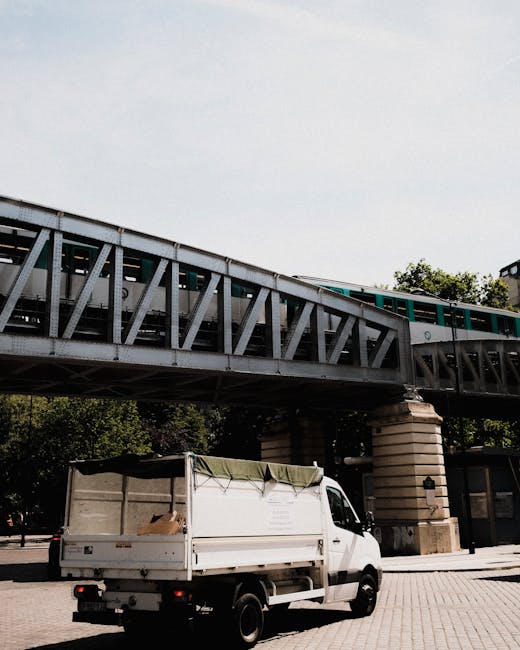


 Tipper Van - Waste Collection and Rubbish Removal Prices in West Kensington, W14
 Luton Van - Waste Collection and Rubbish Removal Prices in West Kensington, W14