Rubbish Removal in West Kensington for Homes, Gardens and Workplaces
Rubbish Removal West Kensington provides practical rubbish removal in West Kensington for households, landlords, trades and local businesses that need waste collected and cleared with minimum disruption. Our service covers everyday mixed rubbish, bulky items, garden cuttings, builders waste and complete property clearances, with a straightforward approach that keeps the work focused on the waste itself. If you need a tidy, reliable collection arranged around your premises, this is the main service page to start from.
We handle clearance jobs where the load is too awkward for a normal bin lift or too time-consuming to manage in-house. That can include one-off collections after a refurbishment, regular office clearance work, or removing unwanted items from a home before a move. Clear access, a sensible load plan and a simple route for loading help the work run smoothly, but the core aim stays the same: getting the waste gone in a tidy and efficient way.
To compare the kinds of work we can cover, start with our services overview and then move to the page that matches your job. You can also review the prices information if you want a clearer picture of how collections are usually assessed before you ask for a quotation.
Household Rubbish Removal and Clearance
Domestic rubbish removal is often about clearing a mixture of items rather than a single type of waste. That may include old furniture, broken household goods, bagged rubbish, small appliances and general clutter that has built up in rooms, lofts, basements or storage spaces. We work with residential customers who want the waste removed without sorting everything into separate trips, provided the load is suitable and lawful for collection.
For larger domestic jobs, a house clearance in West Kensington can be a better fit than a standard rubbish collection. That type of work is useful when several rooms need clearing, when a tenancy has ended, or when a property contains mixed items that need careful loading. It is still a clearance service, but it usually involves more planning around access, item sizes and the order in which things are taken out.
There are a few simple things that help with this kind of work. If you can separate items you want to keep from items you want removed, that reduces mistakes and saves time on site. A short inventory or a few photographs can also help us understand the load before visiting. That is especially useful where items are spread across different floors, because it lets the collection be planned around the actual layout rather than guesswork.
Garden Waste and Outdoor Clearances
Outdoor waste is different from indoor clutter because it is usually bulky, damp or uneven in shape. Garden rubbish removal can include branches, hedge trimmings, leaves, turf, plant pots, damaged outdoor furniture and soil-related waste where it is permitted. The aim is to clear the area neatly so the garden, yard or rear access space can be used again without piles of cuttings or broken materials left behind.
For that type of work, our garden waste removal page gives a more specific overview of the kinds of outdoor materials commonly handled. Some customers only need a small tidy-up after pruning, while others need a substantial amount of green waste removed after planting, landscaping or seasonal maintenance. In each case, the most useful detail is the actual volume and the access route, because those factors usually shape the collection method more than the property type itself.
When you are preparing a garden collection, it helps to keep the waste separate from tools, ornaments and reusable items. If there are bags, bundles or loose branches, grouping them together before the team arrives can make loading faster. If you are arranging a quotation, a short written description is useful, but photographs can be even better when the waste is spread across a patio, shed side or side return. Small outdoor jobs and larger clearances both benefit from accurate description.
Builders Waste and Renovation Debris
Construction and renovation work produces waste that is heavier, rougher and often more awkward than ordinary household rubbish. Builders waste disposal can include rubble, timber offcuts, plasterboard, packaging, broken fixtures, metal pieces and general site debris left behind after repair or refurbishment. The objective is to remove those materials in a way that keeps the site usable and avoids clutter building up around work areas.
For projects that create a steady stream of debris, our builders waste disposal in West Kensington page explains the main focus more directly. This service is helpful when a contractor, landlord or homeowner needs post-work waste taken away without waiting for a skip to be filled. It can suit a single clear-out or a set of smaller removals during a longer job, depending on the pattern of the work and the amount of waste present.
Pricing for this type of collection usually depends on what is being removed, how much space it occupies and how difficult it is to move safely. Mixed materials often require more careful loading than one uniform pile, so a clear description matters. If you are asking for a quotation, mention any tight access, upper-floor loading, heavy rubble or items that may need manual handling. Those practical details help produce a more accurate estimate and reduce avoidable surprises.
Office Clearance and Commercial Waste Removal
Business waste collection needs to work around desks, storage areas, reception spaces and busy schedules. Office clearance can involve desks, chairs, filing cabinets, obsolete equipment, packaging and general non-hazardous waste from a workplace that is being reorganised or emptied. A well-managed collection should remove the clutter while keeping the premises orderly enough for staff, contractors or the next occupants to continue working.
Our office clearance West Kensington page is the right place to look if you need a more focused view of what is involved. Commercial clearances often need a cleaner handover than ordinary domestic jobs, especially where there are shared entrances, lifts or common areas to protect. In those situations, the collection plan matters as much as the waste list, because the team may need to work in stages or around building rules.
For commercial customers, it is often helpful to identify what must stay on site before the collection begins. That might include IT equipment, archived files, branded furniture or items due for reuse elsewhere. A short note about access hours, loading restrictions and any building requirements can also make the job easier to schedule. If you only need the waste removed once, keep the description simple and accurate rather than trying to cover every possible item type in advance.
Understanding Collection, Access and Load Size
Rubbish removal works best when the enquiry reflects the real shape of the job. A pile of light bagged rubbish is not the same as a few heavy items, and a single room clearance is not the same as a full property emptying. The most useful quotation details are usually the type of waste, approximate amount, access conditions and whether the items are already gathered in one place or still spread across the property.
That is why customers often start by checking pricing and quotes before they submit an enquiry. It helps to know what is likely to affect the estimate, such as item weight, floor level, awkward carrying distances, or mixed waste that needs more sorting on site. If you are unsure how to describe the load, a concise list and a few photographs are usually enough to begin a meaningful discussion without overcomplicating the request.
For a better result, keep the enquiry practical. Note whether the waste is indoors or outdoors, whether parking or loading is restricted, and whether any items are especially heavy, fragile or bulky. If there are several areas involved, a room-by-room note can be clearer than a broad description. The goal is not to write a long report; it is to give enough information for the collection to be planned properly the first time.
About West Kensington
West Kensington is a district in the London Borough of Hammersmith and Fulham, located between Earl’s Court, Barons Court, Hammersmith and the wider Kensington area. The name is most commonly associated with the streets around West Kensington tube station and the residential neighbourhoods that grew around the District line in the late nineteenth century, when much of this part of west London was developed with terraces and mansion blocks. The area sits within the broad pattern of inner west London, where older village routes, Victorian speculation and later redevelopment have shaped the street layout into a dense urban fabric. Many roads are lined with brick-built terraces and apartment buildings that reflect the period when railway expansion made the district more accessible to commuters and trades. The locality is also known for its proximity to Olympia, a major exhibition venue whose presence has long influenced the surrounding streets and transport links. Nearby, the West London Line and the District line help define movement through the district, while the road network connects it to the rest of the borough and beyond. Green space is not absent, either: smaller gardens and squares sit alongside the more formal public parks and open spaces reached from the surrounding neighbourhoods. The result is a compact part of London where residential use, commercial activity and historic development sit close together, giving West Kensington a distinct character within the capital’s inner districts.
Service Options for Different Types of Waste
Not every load needs the same approach, which is why it helps to match the collection to the waste itself. Some customers need a single domestic clearance, while others are dealing with a mixture of renovation debris, outdoor cuttings or office items. The right service depends on what is being removed, how it is stored and how quickly you need the space cleared. A sensible match keeps the collection efficient and avoids paying for the wrong sort of assistance.
Our waste clearance West Kensington page is useful if you want a broader view of general clearance work across different property types. If your job is more specific, the linked service pages can help you distinguish between mixed household waste, garden materials, office contents and builders debris. That makes it easier to describe the task accurately and to choose the most appropriate route for the collection.
A useful way to think about the options is to separate the waste into categories before you enquire. For example:
- General household rubbish and bagged waste.
- Bulky furniture or large single items.
- Outdoor cuttings and garden debris.
- Renovation or trade waste from a work site.
- Furniture, equipment and paperwork from a workplace.
Recycling, Safety and Responsible Handling
Customers often want a clearance that is not only convenient but also handled with care. Responsible waste handling means separating suitable materials where possible, loading items safely and taking a sensible approach to mixed loads. It also means recognising that some items need more care than others, whether because they are awkward to carry, dusty, sharp-edged or simply difficult to remove from tight spaces.
You can read more about our general approach on the recycling and sustainability page, where the focus is on practical ways to deal with collected waste responsibly. Where a load contains different materials, the handling process may involve sorting suitable items from general rubbish so the collection is managed more carefully. That does not change the central purpose of the service, but it does shape how the waste is loaded and processed after removal.
Safety matters during loading as well as after collection. Items should be stable, accessible and not hidden under loose clutter where they may be difficult to lift cleanly. If there are broken objects, sharp edges or heavy pieces, mention them in advance so the collection can be planned with the right equipment and enough space to move safely. Good preparation reduces the chance of delays and helps the job proceed in an orderly way.
Request a Quotation for Rubbish Removal in West Kensington
If you need rubbish removal in West Kensington, the simplest way to request a quotation is to describe the waste clearly and point to the page that best fits the job. The more exact the information, the easier it is to estimate what is involved. For larger or mixed collections, a brief list of items and any access notes are usually enough to begin. For smaller jobs, a short description of the load and its location may be all that is needed.
Before you contact us, it can help to check the relevant page for your service type, especially if the job is clearly domestic, commercial or trade-related. You can then use the main site information to shape a concise enquiry and avoid unnecessary back-and-forth. If you are ready to move ahead, please send your details through our contact us page and ask for a quotation.
To keep the process simple, include the property type, the rough amount of waste and anything that affects access. If you have a deadline, mention that as well, but only where it is genuinely relevant to the collection. We will use the information you provide to respond with a practical next step. For a clear, no-fuss start, request your quotation today.







 Same day rubbish removal West Kensington fast quotes
 Eco friendly rubbish removal West Kensington recycling options
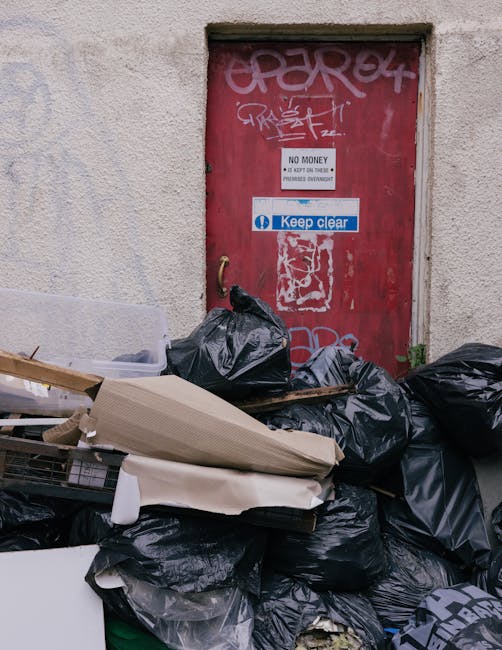 Insurance and licensing for rubbish removal in West Kensington
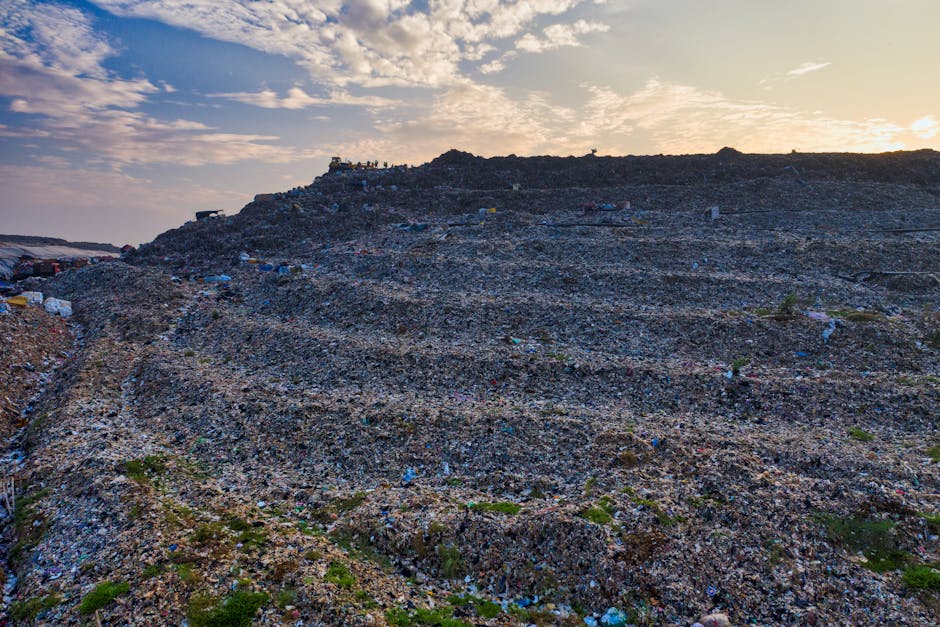 Problems with West Kensington flat clearance and rubbish delays
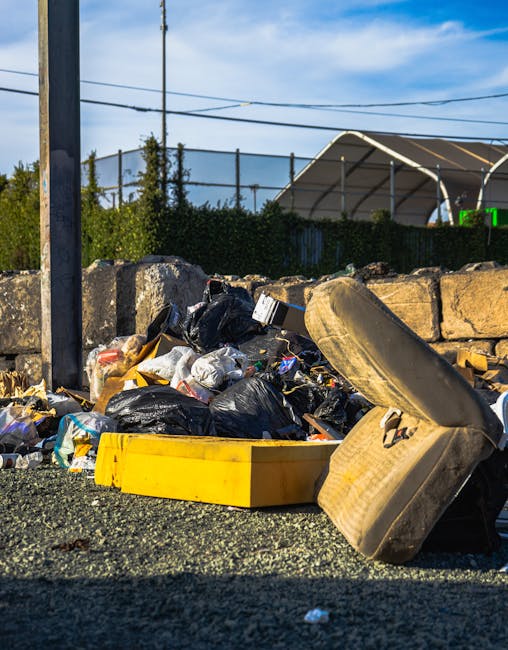 Avoid hidden rubbish removal charges in Hammersmith and Fulham
 How much does rubbish removal cost in West Kensington real cost
 Lillie Bridge to Olympia bulky rubbish collection case study
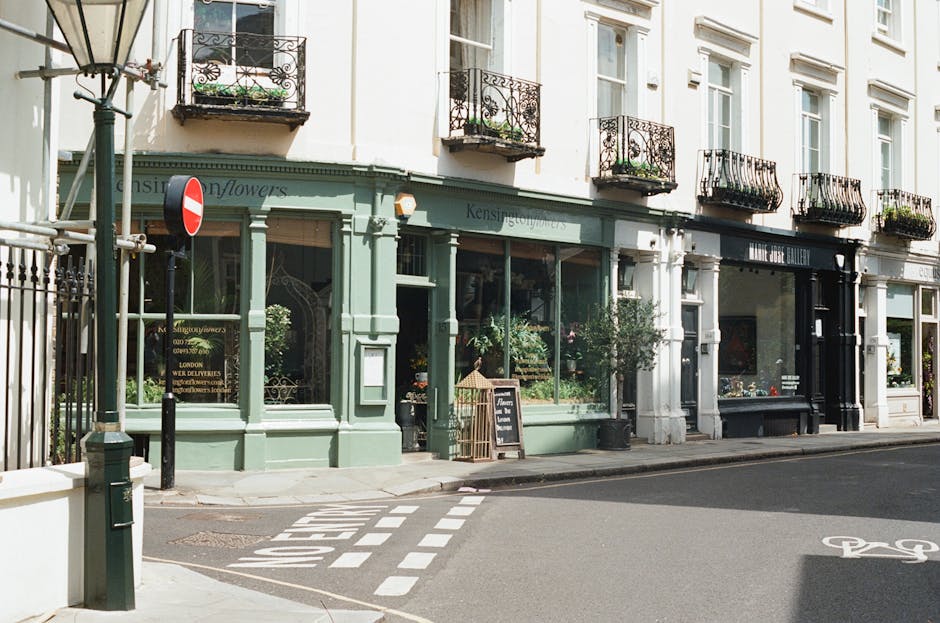 West Kensington commercial rubbish removal for shops and offices
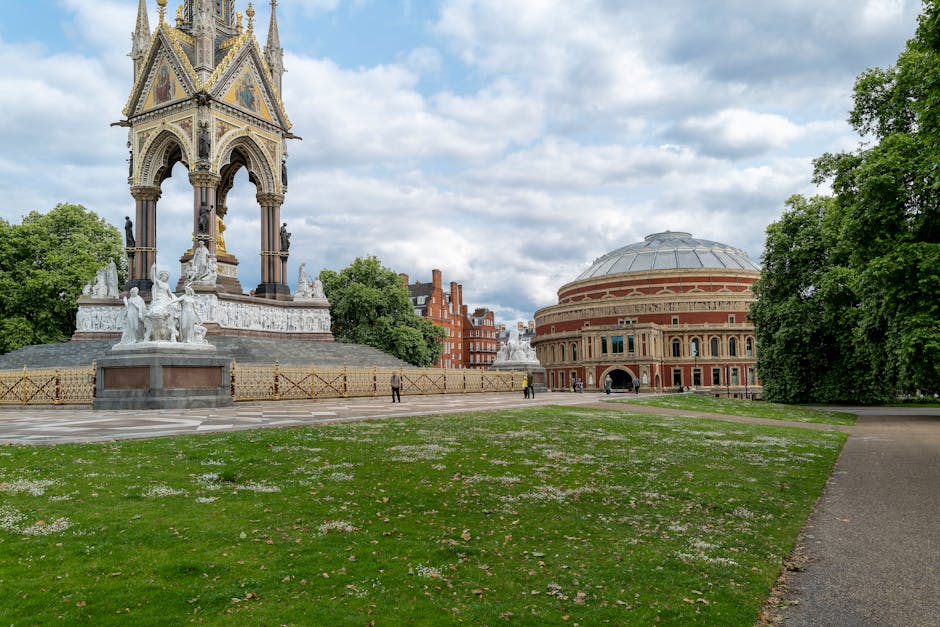 Affordable rubbish collection near West Kensington station
 Kensington Real Estate Purchase/Sale Tips
 Exploring Kensington: Residents' Views
 Kensington Property Investment Strategies