Insurance and licensing for rubbish removal in West Kensington
Posted on 01/08/2026
If you are booking a clearance job in West Kensington, the paperwork matters almost as much as the van and the manpower. Insurance and licensing for rubbish removal in West Kensington can feel a bit dull at first glance, but it is exactly what protects you when something goes wrong: a scratched hallway, a missed legal duty, a dodgy operator, or waste that ends up in the wrong place. Truth be told, most people only think about it after a problem. Better not to be that person.
This guide breaks down what the right insurance and licensing should look like, why it matters in a busy London neighbourhood, and how to check a provider without turning the whole thing into a half-day research project. We will also cover common mistakes, practical red flags, and the kind of questions worth asking before anyone carries a single bag out of your property.
For readers comparing services, it may help to first look at the broader services overview and the company's about us page, because compliance is easier to judge when you understand how the business is set up. If you are dealing with a move, a renovation, or a full flat clear-out, the context matters. A little more than people expect, actually.
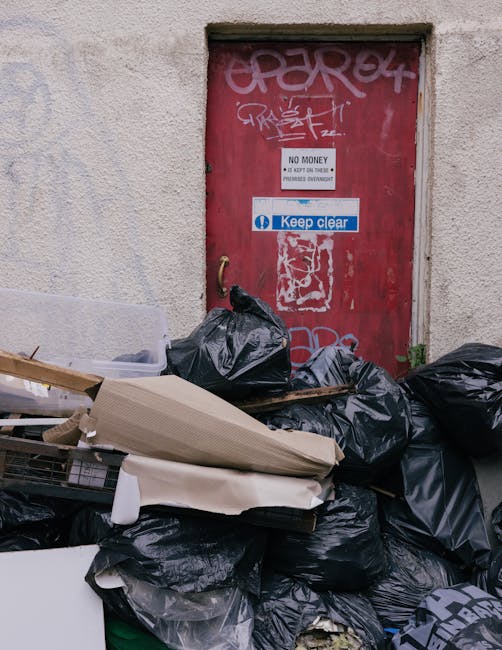
Why Insurance and licensing for rubbish removal in West Kensington Matters
West Kensington is the kind of place where access can be tight, parking can be awkward, and buildings can be old enough to have charming details and frustrating corners in equal measure. That makes proper insurance and licensing more than a nice-to-have. It is basic risk management.
Licensing matters because waste cannot just be taken away by anyone who owns a van and says they will "sort it later". In the UK, waste carriers are expected to operate legally, and customers should be able to see evidence that the business is authorised to transport waste. If a company is not properly licensed, you can end up with your rubbish being fly-tipped, traced back to you, and becoming your problem. Not ideal. Not even close.
Insurance matters because even careful teams can make mistakes. A bulky sofa can scrape a wall. A fridge can leak. A stairwell can take a knock. In a terraced street or a shared block near West Kensington Station, the cost of a small accident can rise quickly. Public liability cover is the big one most customers think about, but employers' liability and vehicle cover also matter in practice.
For households and landlords, the risk is often reputational as much as financial. For businesses, it can be disruption, tenant complaints, or a headache during an already tight schedule. If you want a local example of how timing and access can complicate a job, the problems with West Kensington flat clearance and rubbish delays article is worth a look.
Key takeaway: a properly licensed and insured rubbish removal provider reduces your legal exposure, protects your property, and helps ensure waste is handled responsibly rather than dumped somewhere it should not be.
How Insurance and licensing for rubbish removal in West Kensington Works
At a practical level, this is a two-part check. First, you want to know whether the operator is authorised to carry waste. Second, you want to know whether they carry insurance that is suitable for the work they are doing.
1) Licensing: the permission to move waste
A legitimate rubbish removal company should be able to show that it is allowed to collect and transport waste. In normal day-to-day use, this means they operate as a registered waste carrier or broker where applicable. The important thing for you as a customer is simple: the business should be able to explain its status without getting defensive or vague.
You do not need to become a compliance lawyer. You do need to know the basics. If someone hesitates when you ask about their licence, or gives you a story instead of an answer, that is your cue to slow down. A reliable operator will usually be comfortable talking about their registration and waste handling process in plain English.
2) Insurance: the financial backstop
The main policy customers ask about is public liability insurance. This is there in case the crew causes damage or injury during the job. Depending on the work, a serious operator may also have employers' liability insurance and commercial vehicle insurance. For heavier or more specialised removals, additional cover can be sensible too.
One thing people often miss: insurance is not only about disasters. It is also about confidence. When a team is properly insured, the whole operation usually feels more organised. The paperwork is clearer, the process is calmer, and the job tends to move with fewer surprises. That calm matters when your hallway is full of old furniture and everyone is trying not to bump the banister.
3) Documentation and proof
Ask for evidence in a straightforward way. Good providers expect it. You should be able to request confirmation of licensing and insurance before the booking is finalised. If the company also has a written terms and conditions page, that is another good sign because it usually shows they have thought through liability, payments, and service scope. The terms and conditions page is the sort of document worth checking before you agree to anything.
It also helps to understand how the company treats privacy and security when you are sending enquiries or paying deposits online. A clear privacy policy and payment and security information page can be a useful confidence marker, especially if you are sharing address details, access instructions, or card information.
Key Benefits and Practical Advantages
There is a reason the most reliable rubbish removal businesses talk about compliance early. It pays off in the real world. Here is what you actually gain.
- Lower risk of fly-tipping fallout: if waste is handed to the wrong operator, the trail can come back to you.
- Better property protection: insurance helps if something gets damaged while moving items out of a flat, office, or house.
- Cleaner dispute handling: when a company is properly insured, problems are easier to resolve.
- More predictable service: licensed operators are more likely to have a proper disposal chain and fewer shortcuts.
- Better for landlords and agents: compliance matters when a property is being handed back, sold, or prepared for new occupants.
- Peace of mind: you can focus on the move, the refurb, or the clear-out rather than worrying about what happens after collection.
There is also a sustainability angle. Licensed disposal is more likely to route reusable and recyclable materials properly. If that matters to you, the company's recycling and sustainability information can help you see whether they are thinking beyond a quick load-and-go approach.
In practice, the value shows up in small moments. The crew arrives, checks access, protects the route, and clears the load without drama. You hear less banging, less muttering, less "oh no". That is the dream, really.
Who This Is For and When It Makes Sense
Insurance and licensing are relevant to almost everyone booking waste removal, but the level of caution you need depends on the job. Some situations deserve extra attention.
Homeowners and tenants
If you are clearing a few bulky items, the main concern is avoiding damage and ensuring the waste is taken away legally. For a one-off sofa removal or a shed clear-out, you still want a licensed carrier and at least solid public liability cover.
Landlords and letting agents
Property handovers can get messy, especially if a tenant leaves behind furniture, bags, or mixed rubbish. A licensed and insured provider helps you deal with it without inviting complications. If you work in property, the local context can be useful too; the Kensington property investment strategies article touches on why presentation and clean handovers matter so much in the area.
Business owners
Shops, offices, cafes, and shared workspaces need a service that can work around opening hours, access restrictions, and customer flow. Insurance is especially important here because the knock-on effect of an incident can be larger. If your operation is in or near a commercial street, the article on West Kensington commercial rubbish removal for shops and offices may help frame the practical side of the job.
Builders and renovators
Construction waste is often heavier, dustier, and more awkward to move. That raises the stakes. You want a provider who understands site safety, lifting, access, and disposal routes. The dedicated builders waste disposal in West Kensington service is the kind of page you would expect to see for this sort of work.
People clearing estates or whole properties
House clearances can involve sentimental items, mixed waste, appliances, and sometimes sharp or awkward contents. In those cases, insurance and proper licensing are not decorative extras. They are part of doing the job responsibly. If you are dealing with a full property refresh, house clearance in West Kensington is a relevant service area to review.
Step-by-Step Guidance
If you want to vet a rubbish removal provider without making it complicated, use this process. It is simple, but it works.
- Identify the exact job. Is it a single item, a van load, a full clearance, or mixed waste?
- Ask whether they are licensed to carry waste. Do this early. No awkwardness needed.
- Request proof of insurance. Public liability should be easy for them to confirm.
- Check the service scope. Make sure they can handle the type of waste you have, whether that is household clutter, office furniture, or garden waste.
- Read the booking terms. Look for what happens with access issues, missed collections, extra labour, or cancellations.
- Ask how the waste is processed. You want to know it is going to legitimate facilities and not disappearing into a grey area.
- Confirm the price structure. Clear pricing reduces disputes later.
- Keep a record. Save emails, invoices, and any written confirmations.
That last one may sound boring, but it helps. Especially if a landlord, building manager, or business partner wants proof later. A clear paper trail saves time and, let's face it, saves arguments too.
If you are comparing quotes, it is wise to study the company's pricing and quotes approach alongside its compliance details. A cheap price without proper cover is not a bargain. It is a risk wearing a discount sign.
Expert Tips for Better Results
Here are the things experienced customers tend to do better than first-timers.
- Ask direct questions. "Are you licensed and insured for this type of job?" is a perfectly normal question.
- Be specific about access. Narrow staircases, basement rooms, shared entrances, and loading restrictions should be mentioned upfront.
- Match the service to the waste type. A garden job is not the same as an office strip-out. The right provider should understand that difference.
- Request a written scope. That way everyone knows what is included.
- Check if the company discusses safety openly. Good operators usually explain how they handle lifting, route protection, and customer property. Their insurance and safety page can be a useful signpost here.
- Look for service pages that fit your situation. For example, office clearance in West Kensington or garden waste removal in West Kensington shows the provider is used to handling specific waste streams.
A small practical tip: ask how many people will attend and whether they will protect floors or doorframes if needed. It sounds minor until you are standing by a freshly painted wall with a trolley wheel inches away from it. Then it sounds very important.

Common Mistakes to Avoid
Most problems with rubbish removal compliance are avoidable. The trouble is they usually come from rushing. Or from wanting to save twenty quid and calling it "being savvy".
Assuming every company is properly licensed
Never assume. Ask. A legitimate operator should answer clearly.
Not checking insurance before the job
If something damages a communal hallway or lifts a scratch off a banister, you want to know what protection exists before the van arrives.
Choosing on price alone
Low quotes can hide poor disposal practices, weak cover, or add-on charges. If you want to avoid that trap, the article on avoiding hidden rubbish removal charges in Hammersmith and Fulham is a useful companion read.
Ignoring waste type rules
Mixed waste, electrical items, DIY debris, and bulky furniture can all require different handling. If the provider sounds vague about what they accept, pause.
Forgetting access and parking realities
West Kensington is not a place where parking misunderstandings magically sort themselves out. If the company does not ask the right questions, the job can drag.
Not keeping records
Keep the quote, confirmation, and invoice. Simple. Useful. Unexciting, but useful.
Tools, Resources and Recommendations
You do not need a toolbox full of specialist software to make a sensible decision. A few basic resources and habits are enough.
- Your email trail: the easiest way to keep a record of what was agreed.
- A written inventory: especially useful for house clearances or office jobs.
- Photos of the waste: these help when requesting quotes and reduce ambiguity.
- Access notes: building entrance codes, parking constraints, lift restrictions, and time windows.
- Company policy pages: useful reads include privacy policy, cookie policy, and the accessibility statement if you want a fuller sense of how the business handles user care and site clarity.
When comparing local services, it also helps to see whether the company has content that reflects real working conditions in the area. For example, the article on West Kensington rubbish removal guide for Lillie Road homes is the kind of local detail that can tell you the operator understands the neighbourhood. Similarly, the affordable rubbish collection near West Kensington Station piece speaks to local access and timing issues that matter in the real world.
For people planning larger clearances or mixed-use work, service pages can also be informative. Waste clearance in West Kensington is a broad option, while rubbish removal in West Kensington is the central page to review if you want a general overview.
Law, Compliance, Standards, or Best Practice
For waste services in the UK, compliance is not just paperwork for the sake of paperwork. It is part of responsible waste handling. A proper rubbish removal business should operate within the waste carrier framework relevant to its role, dispose of waste through legitimate channels, and keep suitable insurance for the work it performs.
For you, the customer, the best practice is straightforward:
- use a licensed waste carrier,
- keep evidence of booking and collection,
- ask where the waste will go,
- check insurance where property or access risks exist,
- and avoid handing waste to anyone who cannot explain their process clearly.
Where work involves shared buildings, landlords, commercial premises, or renovation debris, the expectations rise. In those settings, the safest choice is usually the one that is most transparent. That does not always mean the most expensive, by the way. It means the clearest.
Best practice also includes honest communication. If a provider cannot handle a certain waste type, they should say so. If they need extra labour or special access arrangements, they should say that too. Straight answers are underrated.
Options, Methods, or Comparison Table
If you are comparing providers, this quick table can help you judge the difference between a well-run operation and a risky shortcut.
| Factor | Properly licensed and insured provider | Unclear or unverified operator |
|---|---|---|
| Waste carriage status | Can explain registration and transport arrangements | Gives vague answers or none at all |
| Insurance | Can confirm suitable cover for the job | Unclear, limited, or impossible to verify |
| Paper trail | Quote, terms, invoice, and contact details provided | Loose messages, no clear record |
| Disposal route | Legitimate and transparent | Not explained, possibly risky |
| Customer confidence | Higher, because responsibilities are clear | Lower, because the risk sits with the customer |
In practice, the first option is the one that gives you fewer sleepless nights. You may pay slightly more in some cases, but the value comes from reduced risk and fewer surprises. And surprises, in rubbish removal, are rarely the good kind.
Case Study or Real-World Example
Imagine a West Kensington flat clearance after a long tenancy. There is a sofa, a mattress, a dismantled wardrobe, a few bags of mixed rubbish, and an awkward staircase with a turn at the first floor. The tenant wants the place cleared quickly because the inventory check is the next day. The landlord wants the hallway left clean and undamaged. The building has shared access, so noise and timing matter.
In that scenario, licensing and insurance do a lot of quiet work in the background. A licensed provider is more likely to handle the waste properly rather than treating it like "stuff to dump later". Insurance matters because the crew has to manoeuvre bulky items through a tight route where one mistake could mark the paintwork or chip the corner of a bannister. If the company is organised, it will ask about access, item sizes, and collection timing before arrival. That simple conversation can prevent half the stress.
Now compare that with a cheaper operator who gives a fast quote, says little, and turns up with no real questions. The job may still get done, sure. But if a problem appears, you may have very little protection and very few answers. That is the heart of it.
One small real-world detail: the calmest removals are often the ones where the customer has a few photos ready and the provider has already confirmed the details in writing. It sounds almost too basic, but it saves time. Every time.
Practical Checklist
Use this checklist before you book.
- Have I confirmed the provider is licensed to carry waste?
- Have I asked about public liability insurance?
- Do I know what type of waste is being collected?
- Have I described access issues, parking, stairs, or lift restrictions?
- Have I checked whether the quote includes labour and disposal?
- Do I have the terms in writing?
- Do I understand what happens if extra items are added on the day?
- Have I reviewed the company's service information and safety guidance?
- Have I saved the quote and invoice?
- Does the company look transparent and responsive?
If you can tick most of those boxes, you are in a strong position. If you cannot, slow down a little. A good provider will not mind sensible questions.
Conclusion
Insurance and licensing for rubbish removal in West Kensington are not just background admin. They are the practical foundations of a safe, legal, and stress-light clearance. When a provider is properly licensed and insured, you reduce the chance of fly-tipping trouble, protect your property, and make the whole job much easier to trust.
For homes, landlords, offices, and builders alike, the best approach is the same: ask direct questions, check the paperwork, and choose the team that answers clearly. That simple habit can save time, money, and a surprising amount of hassle. In a busy part of London, that is worth a lot.
For a broader look at available options, you can revisit the services overview or read more about the company before you decide. If your job is more specific, the dedicated pages for builders waste disposal, house clearance, or office clearance can help you match the service to the task. One good decision at the start makes the rest of the day feel lighter, which is no bad thing.
Get a free quote today and see how much you can save.


 Tipper Van - Waste Collection and Rubbish Removal Prices in West Kensington, W14
 Luton Van - Waste Collection and Rubbish Removal Prices in West Kensington, W14